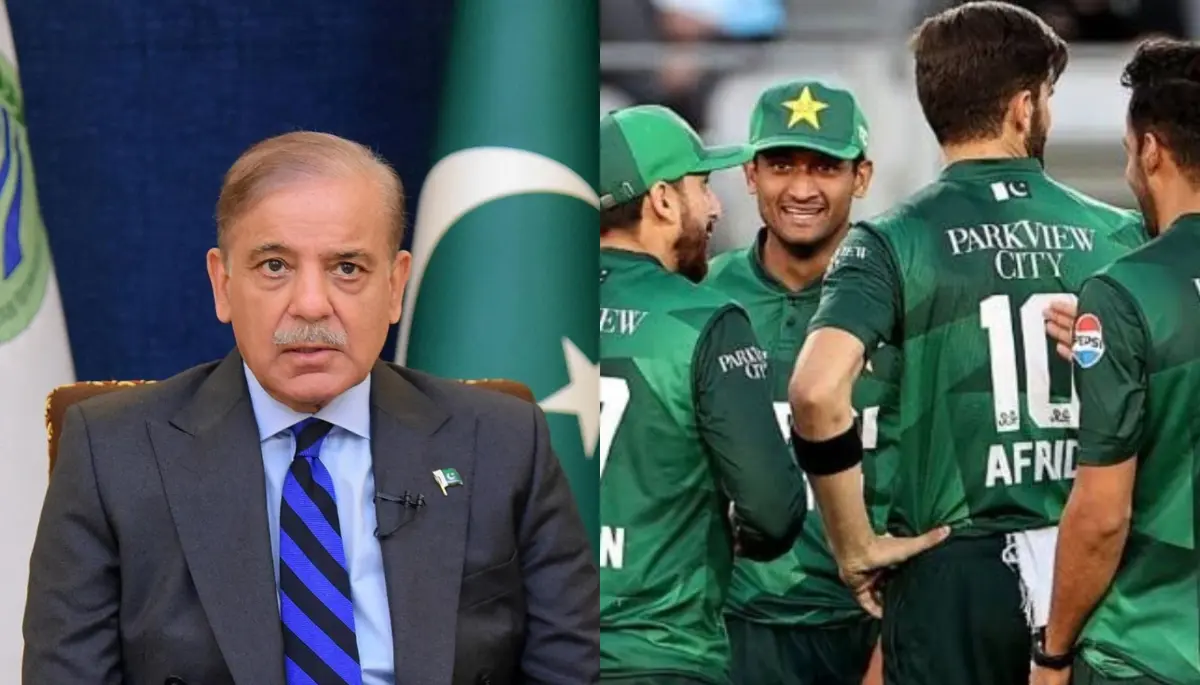
Pakistan threatens to pull out of T20 World Cup! Analysis on government interference, risk of severe punishment from ICC, internal divisions and past drama. Read this special report on the future of Pakistan cricket.
Pakistan is once again the center of discussion in the cricket world. But this time not because of its performance on the field, but because of the threat of a radical political decision. There is talk of withdrawing from the T20 World Cup, which is being directly interfered by the Pakistani government. Will this decision set the future of the country’s cricket back by a decade? Let’s go into the details of the incident.
The beginning of the threat: Government ‘instructions’ and PCB’s obedience
Recently, the chairman of the Pakistan Cricket Board (PCB) and the country’s Home Minister, Mohi Naqvi, made a surprising and worrying statement. He made it clear that any decision of the PCB will be taken with the highest importance of the government’s instructions. That is, government orders will take precedence over the rules and regulations of the International Cricket Council (ICC).
The context of this statement was created by Pakistan’s thoughtless and silent support for Bangladesh’s absence from the tournament and their demand to play their matches in Sri Lanka. This was the manifestation of a political alliance, which has seriously undermined the sports ethic.
ICC’s harsh response: What Pakistan risks losing
The media has reported that the ICC will not remain silent about such ‘brinkmanship’ or risk-taking policy of Pakistan. The list of the harshest to the harshest punitive measures that the ICC can take is terrifying:
- Cancellation of all bilateral series: All official bilateral series of Pakistan with other countries may be canceled.
- Exclusion from Asia Cup: They may also be cut off from regional tournaments.
- PSL’s death knell: The biggest blow may come to the Pakistan Super League (PSL). The ICC may refuse to issue NOC (No Objection Certificate) for foreign players. Without foreign stars, the PSL will lose its glamour and commercial base.
According to analysts, such punishment could set back Pakistan cricket by about 20-30 years, the damage of which will take several generations to fully recover.
Internal conflict: Strong opposition from former stars and experts
Interestingly, Pakistan itself does not fully agree with this risky game. The country’s former players, cricket analysts and influential people are warning the government and the PCB in one voice. Their statement is clear – the main victims of this political bullfight will be Pakistani cricketers. Their international careers, income, reputation will all be at stake. This internal division indicates that this decision of the government is not universally acceptable.
Dramatic past: Repeating old habits?
The video report rightly indicates that this behavior of Pakistan is just another chapter in the drama. They have created controversies at various times before – winning the Champions Trophy and keeping it locked, being adamant in demanding a change of referee, etc. have enriched their history of unpredictable decisions in world cricket. The question is, will they walk the same path this time too?
Brinkmanship, or self-destruction?
Pakistan cricket is at a crossroads. On one side are the demands of government orders and political alliances, on the other side is the future of cricket and the love of millions of fans. The fate of the country that has given world cricket stars like Wasim Akram, Waqar Younis and Babar Azam is now in extreme uncertainty.
The potential punishment from the ICC is not an empty threat. It could create an existential crisis. The question is, will Pakistan’s officials realize the self-destructive consequences of their ‘risk-taking’ policy before it is too late? Or will the country’s cricket lovers have to pay the price for yet another political decision? Time will tell, but the warning is the same – the mix of cricket and politics is often toxic, and there is little antidote. Read more
1 thought on “PCB’s T20 World Cup Ultimatum: A Cricket Suicide?”