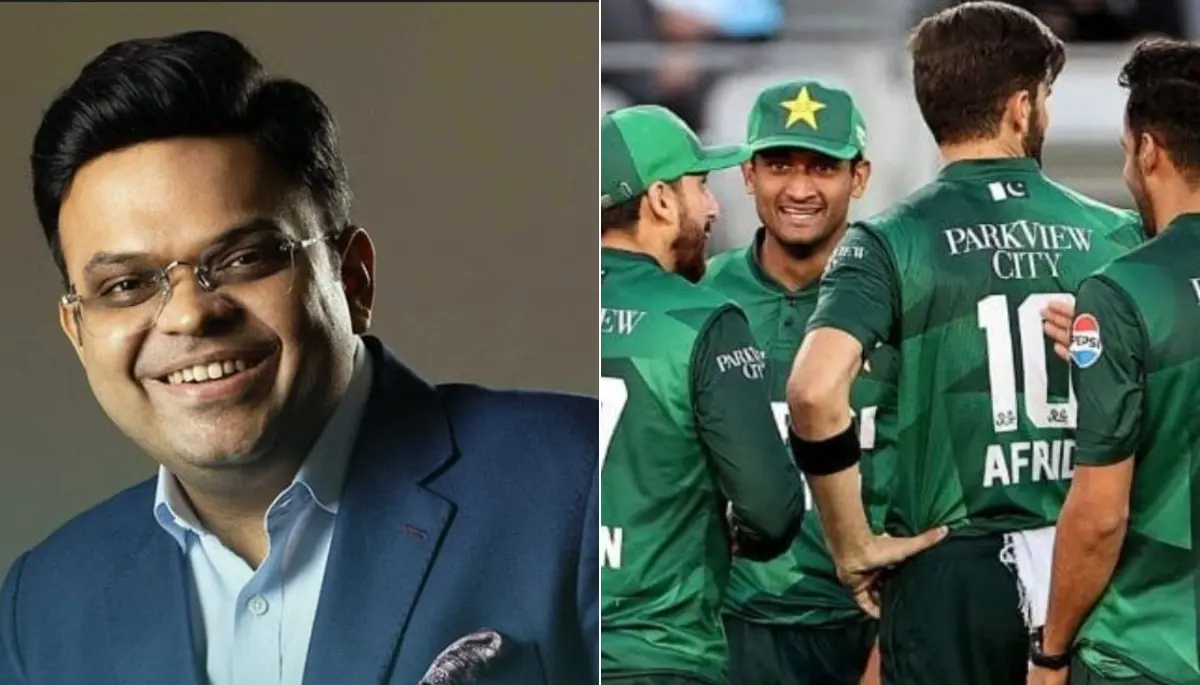
ICC hints at tough ban on Pakistan’s threat to leave T20 World Cup. Know the future of PSL, political moves and what the final outcome could be. Read the full analysis.
The most talked about and heated topic in the cricket world right now is the intense conflict between the Pakistan Cricket Board and the International Cricket Council over the T20 World Cup. This conflict has started since the exclusion of Bangladesh from the tournament and the inclusion of Scotland. The reason for Bangladesh’s exclusion was security concerns on Indian soil, which served as a clear and apparently legitimate reason for them. But Pakistan’s position in this regard is completely different. According to analysts, Pakistan has no strong alibi or logical reason to boycott the World Cup. Many see this strategy of expressing solidarity with Bangladesh as a well-thought-out geopolitical gesture, where Pakistan is looking for a new regional ally in the wake of the upcoming general elections in Bangladesh. This is just a planned political move outside the cricket field.
The ICC‘s response to this situation was firm, clear and downright frightening. If Pakistan really pulls out of the World Cup, they will have to face the harshest and most devastating ban in history. At the top of this list of punishments is a serious blow to the Pakistan Super League or PSL. ICC may completely stop PCB from issuing the required NOC or No Objection Certificate to foreign players. Once this happens, no star player in the world will be able to participate in PSL, which is a kind of death sentence for this league. The league will completely lose its appeal and commercial value. Moreover, ICC may no longer consider PSL as a recognized tournament. Also, huge financial fines may be imposed on PCB, which will result in a large portion of their revenue being lost.
The risks of a ban are not limited to the PSL or money. Pakistan could be cut off from the entire Asian Cricket Council, which would mean their exclusion from the upcoming Asia Cup. Moreover, all their bilateral series with other Test-playing nations could be cancelled or postponed. All in all, Pakistan is likely to be cut off from international cricket altogether. Such a situation would be a complete disaster for Pakistan cricket, from which it could take decades to recover. Their domestic structure, young talent development and cricket infrastructure would be completely destroyed.
Pakistan’s internal political backdrop is also playing a big role in this whole process. The discussion has reached the level of PCB Chairman Mohsin Naqvi and Prime Minister Shahbaz Sharif, which shows how sensitive the issue is. Despite some harsh statements and drama in public, experts believe that Pakistan will back down at the last moment and participate in the World Cup. Because the PCB has neither the capacity nor the will to face the losses caused by the boycott. Their economy is already fragile, and the revenue generated from cricket is very important for the country. The PSL has been successfully established, there is no reason to destroy it. Therefore, many see all these current discussions, threats and counter-threats as a kind of diplomatic and domestic image-protecting maneuver.
All in all, the ultimate solution to the imbalance created by Pakistan’s participation in the T20 World Cup will probably be through their participation. But this crisis will be a clear example of the power dynamics in international cricket, the deep influence of politics and how a cricket board positions itself in the face of global pressure. This is not just a question of whether or not to participate in a tournament, but a silent battle over whose say will have what weight in the future of cricket. In the end, the head of the world sees the game will go on, but the echoes of this confrontation will reverberate in the boardrooms of cricket for a long time to come. Read more
1 thought on “ICC’s threat and Pakistan’s move: Why is tension growing over the T20 World Cup?”