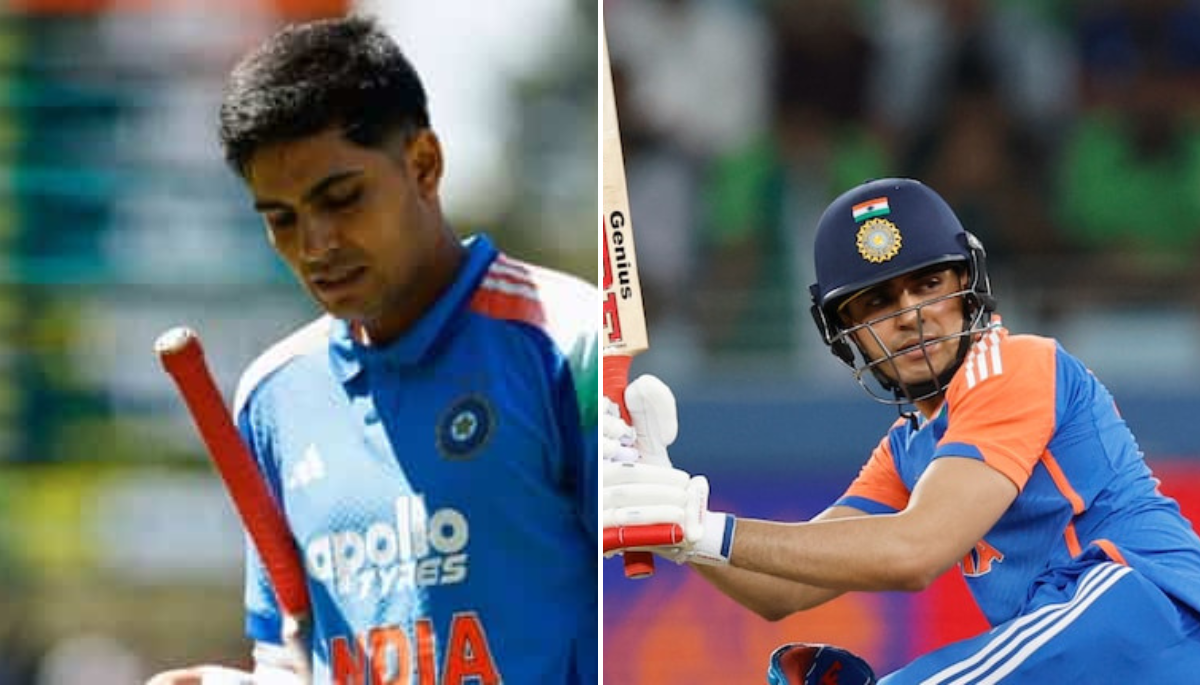
India vs South Africa T20I in Lucknow cancelled due to severe pollution and smog in North India. Find out how the environmental crisis has affected cricket and the latest update on Shubman Gill’s injury.
This time of year, North India is shrouded in a blanket of smog. But this time, its impact is not limited to roads or airports, but has also affected the cricket field. On December 17, 2025, the crucial fourth T20 International between India and South Africa at the Ekana Stadium in Lucknow was completely cancelled due to dense fog and severe air pollution. This is not just a match cancellation, but an example of how environmental crises can disrupt the world of sports.
Breathless conditions: The reason behind the Lucknow match cancellation
Although the match was scheduled to start at 6:30 pm that day, visibility on the field was negligible. The umpires and match officials inspected the field and realized that there were no playable conditions. This difficult decision had to be taken considering the safety and health of the players. Lucknow’s air quality index (AQI) was reported to be around 200 (which falls in the ‘unhealthy’ category).
The effects were seen in practice the day before the match. India all-rounder Hardik Pandya was seen practicing at the nets wearing a mask, which is enough to understand the depth of the situation. Suryakumar Yadav and South African captain Aiden Markram came out to take the toss at the scheduled time, but they had to wait. The match was officially called off at 9:25 pm, ignoring the wishes of the spectators.
The incident has raised a big question for cricket administration and the audience: is it necessary to reconsider the schedule of the winter cricket tournament in an era of increasing environmental challenges?
Impact on the series and future prospects
The cancellation leaves India 2-1 up in the five-match series. All eyes are now on the final and decisive match in Ahmedabad. However, the incident in Lucknow has created a major administrative and logistical challenge. Not just cricket, at least 10 flights were cancelled from Delhi airport that day due to pollution, which shows how widespread the crisis is.
Shubman Gill’s injury: A separate concern
Along with the pollution-related standoff, the Indian team is also worried about Shubman Gill’s serious injury. He has injured the inter-spinous ligament in his neck, which is very important for a batsman. Gill was also experiencing pain while rotating his neck and was admitted to the hospital.
His return time depends entirely on the grade of the injury:
- Grade 1 (mild): It may take 2-4 weeks to recover.
- Grade 2 (moderate, likely): Rehabilitation may take 6-12 weeks.
- Grade 3 (severe): Recovery may take 3-6 months, or even longer.
The injury has ruled him out of the Test and ODI series against South Africa and his participation in the 2026 ICC T20 World Cup is now uncertain. This is a major blow for the Indian team, especially considering how important Gill’s attacking opening role is for the team.
Cricket’s environmental challenges
The cancellation of the Lucknow match is a sign of a clash between cricket and the larger environmental reality. It is not just a game, but a manifestation of a serious crisis that is disrupting public health, air travel and public life in general. It is a warning to cricket administrators to re-evaluate the schedule of games in northern India during the winter.
On the other hand, the long-term absence of a talented player like Shubman Gill is a loss for any team. Just as pollution is a collective problem, an injury to a sportsperson affects his individual struggles and the team’s strategic thinking.
The cancellation of a game or the absence of a star player is disappointing for any cricket fan. But the message Lucknow has given us is perhaps more important than the game itself: if we do not behave responsibly towards the environment, the very grounds on which we play or watch games may also become unusable. Sustainable practices and awareness-raising may be our only protection in the coming days. Read more
1 thought on “Cricket in the grip of smog: How pollution disrupted the India-South Africa match and the stars’ clash?”